
Pilates for Tight Hips
A 20-minute beginner Pilates class to release tight hips, improve mobility, and ease tension in the lower body. With clear guidance on breathing and core engagement throughout, this gentle flow starts and ends slowly, leaving you feeling open, grounded, and completely at ease.
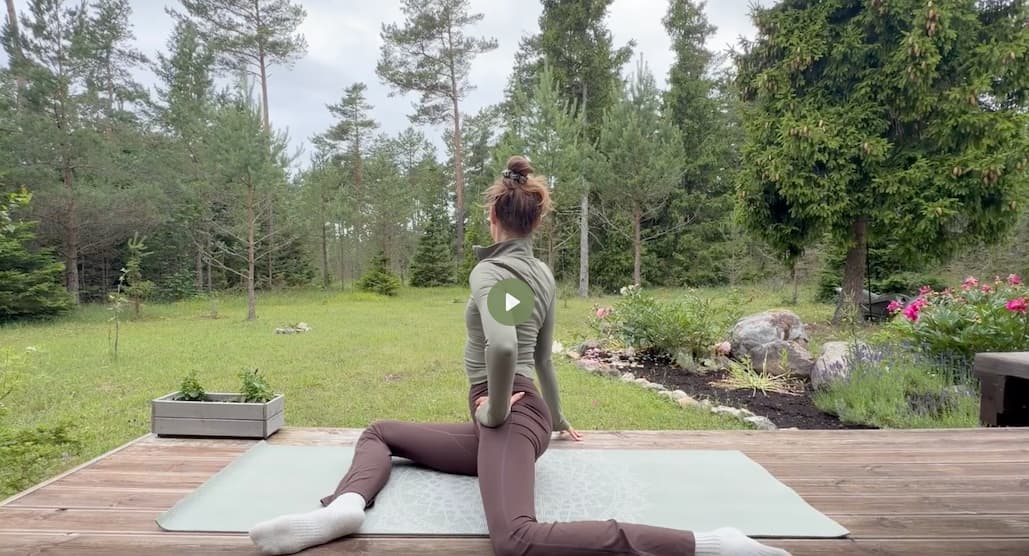
Please listen to your body and move at your own pace. In Pilates, we never work through pain. If something doesn’t feel right, ease off, modify, or simply skip it. If you’re pregnant, postpartum, or have any injuries or health concerns, check with your doctor before joining in. Every body is different. Take what feels good, leave what doesn’t, and rest whenever you need to. 🌿
Tight hips are one of the most common complaints people bring to the mat, and one of the most satisfying things to work with.
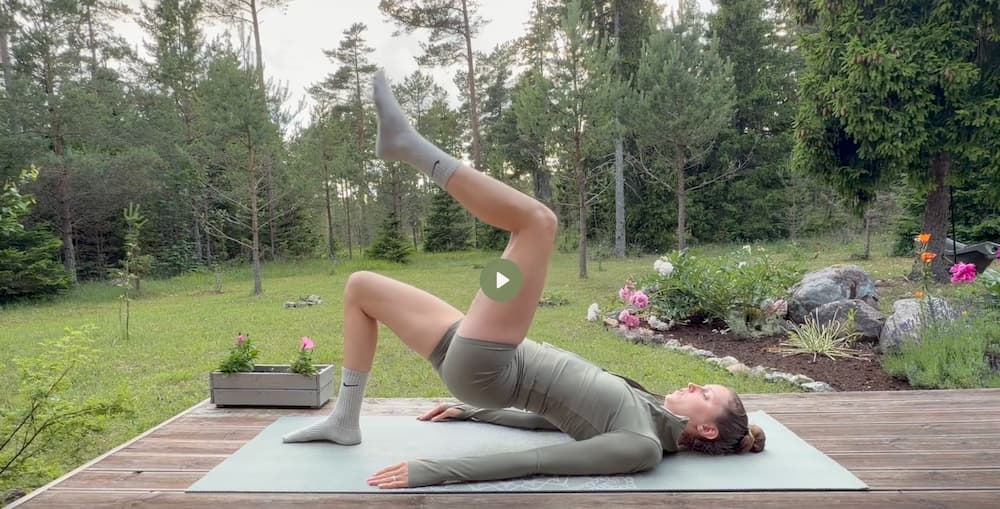
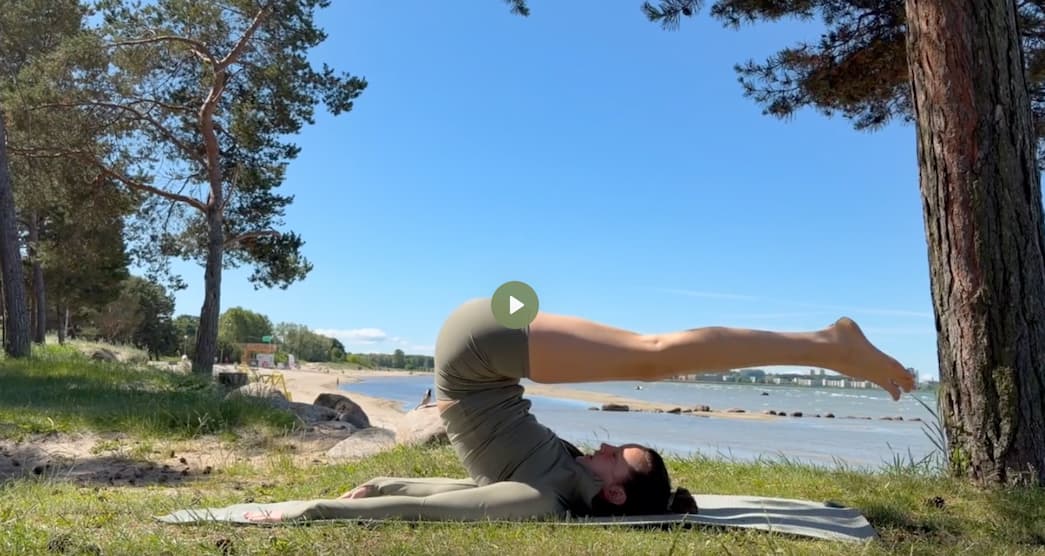
This 20-minute class moves slowly and intentionally through a full hip release flow, with clear guidance on breathing, core engagement, and how to approach each movement safely. It’s designed for beginners but beneficial for anyone whose hips need attention, whether that’s from sitting all day, an active lifestyle, or simply tension that’s been building up for a while.
It starts gently, builds gradually, and closes with slow, conscious breathing that lets everything settle. You’ll finish feeling longer, looser, and genuinely lighter through your whole lower body.
🧘♀️ In this class, you’ll:
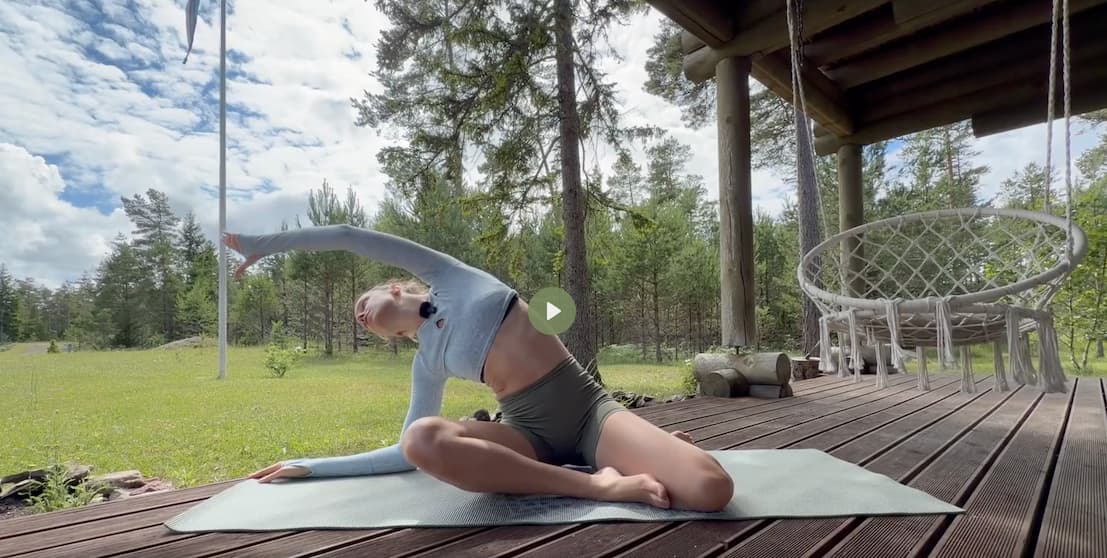
- Open and release tight hip flexors, glutes, and deep hip rotators
- Learn how to breathe properly to support and deepen your practice
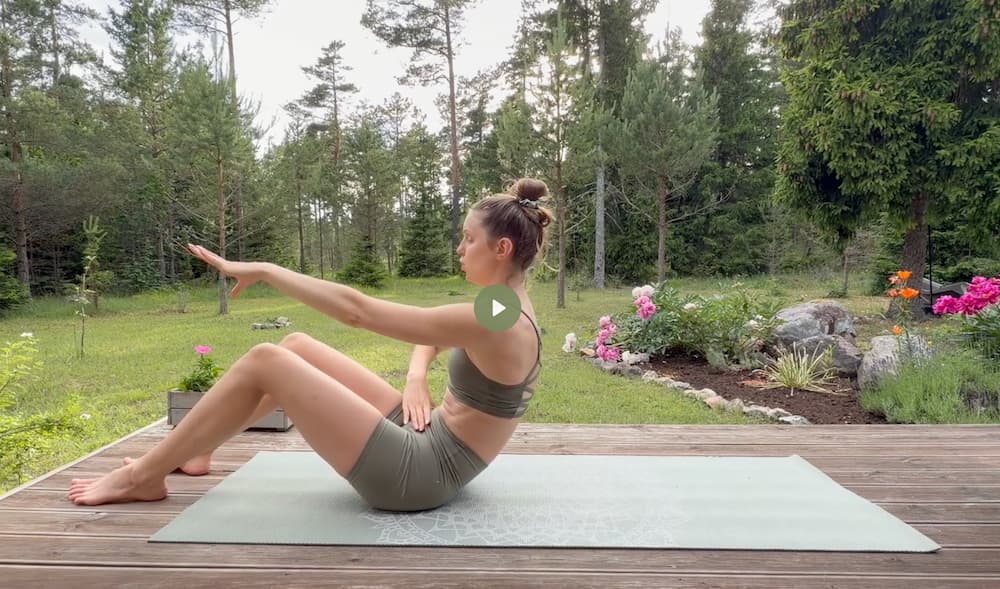
- Engage your core safely to protect your lower back
- Move gently through a progressive hip mobility flow
- Wind down with slow, conscious breathing to let everything integrate
- Finish feeling open, grounded, and completely at ease in your body
Why Are My Hips So Tight?
Hip tightness is almost universal, and it makes sense when you consider how most of us spend our days.
Sitting shortens and compresses the hip flexors, the muscles at the front of your hips that connect your legs to your spine. Over time, they adapt to that shortened position and stay there even when you stand up. Your glutes, meanwhile, switch off from underuse. And the deep rotator muscles around your hip joint — the ones responsible for mobility and stability — rarely get taken through their full range of motion in daily life.
The result is hips that feel stiff, restricted, and sometimes achy. Movement that should feel easy starts to feel effortful. And because the hips are connected to everything: your lower back, your knees, your posture — tightness there tends to show up elsewhere too.
The good news is that hips respond well to consistent, gentle attention. And Pilates is particularly well suited to giving them exactly that.
The Connection Between Tight Hips and Stress
This one surprises a lot of people — but the hips are one of the places the body stores emotional tension most readily.
When we experience stress, anxiety, or strong emotions, the body’s natural response is to contract and protect — and the hip flexors are particularly reactive to this. Many people find that a deep hip release practice brings up unexpected emotion, or that releasing physical tension in the hips creates a sense of emotional relief too.
This class honours that connection. The slow pace, the conscious breathing, and the gentle closing sequence are all designed to support not just your physical body but your nervous system as a whole. Come as you are and let the practice do what it does.
What’s the Difference Between Hip Mobility and Hip Flexibility?
They’re closely related but they’re not the same thing, and understanding the difference helps you get more out of this class.
Flexibility is about the length of a muscle — how far it can stretch passively. You can test your hip flexor flexibility by lying on your back and pulling one knee into your chest. How far it comes is largely a flexibility question.
Mobility is about how well your joint moves through its range of motion actively — with strength and control, not just passive length. It’s the difference between being able to stretch into a position and being able to move into it with stability and coordination.
You can be flexible without being mobile. Someone who is naturally very bendy might have long, loose muscles but poor control through their range of motion, which actually increases injury risk rather than reducing it. True hip mobility means your hips can move freely in every direction and your muscles can support and control that movement throughout.
This class works on both. The stretching elements build flexibility, while the Pilates movements develop the active control and strength that turn that flexibility into genuine, functional mobility.
Benefits of Hip Release Pilates
Releasing your hips isn’t just about flexibility. It’s about restoring the mobility your body needs to move well, feel comfortable, and stay injury-free.
When your hips are mobile and strong, your lower back is better supported, your posture improves, and movement through your whole body becomes more fluid and effortless. Tight hips, left unaddressed, pull on your spine, affect your gait, and contribute to pain and stiffness that spreads well beyond the hip itself.
Regular hip release practice can help you:
- Reduce tightness and tension in the hip flexors, glutes, and deep rotators
- Relieve lower back pain connected to tight or weak hips
- Improve your posture and natural body alignment
- Move more freely and comfortably in daily life
- Recover faster from exercise or long periods of sitting
- Build a more mobile, balanced, and resilient body over time
How Long Before I Notice a Difference?
Most people feel something after the very first class. A sense of openness or lightness through the hips that wasn’t there before. That immediate relief is partly physical and partly nervous system. Your body responding to being moved gently and intentionally after being held still.
The bigger changes take a little longer. With regular practice, three to five sessions a week, most people notice meaningful improvement in hip mobility and a reduction in chronic tightness within two to three weeks. Lower back discomfort connected to tight hips often starts to ease around the same time.
By four to six weeks of consistent practice, the changes start to feel structural: your hips move more freely as a default, and the tightness that used to build up through the day has less of a chance to take hold.
What Makes This Class Good for Beginners?
Most hip release classes assume you already know the basics: how to engage your core, how to breathe through movement, what to pay attention to. This one doesn’t.
Every movement in this class comes with clear, accessible guidance. You’ll learn how to breathe in a way that supports each exercise, how to engage your core without holding your breath or gripping, and what good alignment feels like so you can find it yourself. That foundation makes the movements safer, more effective, and more transferable to any other class you take.
If you’ve tried Pilates before and found it hard to follow, or if this is your very first time on the mat, this class is designed for you.
Can I Do This Class Every Day?
Yes, and for tight hips, daily practice is genuinely one of the best things you can do.
Hip flexibility and mobility respond to frequency more than intensity. Short, regular sessions teach your body that this range of motion is safe and familiar, and over time your hips start to release the protective tension they’ve been holding. A 20-minute class done daily will create far more change than an occasional longer session.
It’s also gentle enough that your body won’t need recovery time between sessions. If anything, the more consistently you practice, the better your hips will feel, and the faster the results will come.
Can I Do This If I Have a Hip Injury?
It depends on the nature of the injury, and when in doubt, always check with your doctor or physiotherapist first.
For many common hip issues, mild hip flexor tightness, bursitis, or general hip stiffness, gentle, well-guided movement like this class can be genuinely helpful. Movement encourages circulation, reduces inflammation over time, and prevents the surrounding muscles from weakening further through inactivity.
However, some conditions: acute injuries, labral tears, post-surgical recovery, or significant joint issues – require specific rehabilitation guidance that goes beyond what a general Pilates class can provide. In those cases, this class may still be something you work toward, but it’s worth getting clearance and guidance from a professional first.
A few things to keep in mind if you do have a hip concern and want to try this class:
- Move at your own pace and never push into pain
- Modify or skip any movement that doesn’t feel right for your body
- Use the breathing and core engagement guidance throughout — it helps protect the joint
- If something aggravates your symptoms, stop and rest
Remember — in Pilates, we never work through pain. Discomfort from tight muscles releasing is normal. Sharp, acute, or joint pain is not.
Will This Help With Lower Back Pain?
For many people, yes, and the reason comes down to how closely the hips and lower back are connected.
Your hip flexors attach directly to your lumbar spine. When they’re tight, they pull on it constantly — creating compression, altering your posture, and forcing your lower back to work much harder than it should. Add weakened glutes that have switched off from too much sitting, and your lower back ends up carrying load it was never designed to handle alone. That’s one of the most common causes of chronic lower back pain, and it has nothing to do with the back itself.
By releasing the hip flexors, activating the glutes, and building stability through the deep core, this class addresses the root cause rather than just the symptom. Many people find that consistent hip release work reduces or eliminates lower back discomfort that they’ve been managing for years.
That said, lower back pain can have many causes. If yours is severe, persistent, or accompanied by other symptoms like numbness or pain down the leg, always check with your doctor or physiotherapist before starting a new movement practice.
Who This Class Is For?
This class is for anyone who carries tension in their hips and wants a safe, guided, beginner-friendly way to release it.
It’s especially good if you:
- Sit for long periods and feel tightness or discomfort in your hips
- Are completely new to Pilates and want clear, supportive guidance from the start
- Have tried hip stretches before but want something more structured and progressive
- Experience lower back pain that may be connected to tight hips
- Dance, run, or train and want to keep your hips mobile and injury-free
- Feel stress or tension in your body and want a practice that addresses both the physical and the emotional
- Want a gentle, calming class that leaves you feeling genuinely open and at ease
Take a deep breath, you deserve this!
READY TO JOIN THE MANGO FAMILY?